Why Choose Woven Wire for Your Next Project?
In today's competitive landscape, choosing the right materials is crucial. Woven wire stands out as a reliable option for various projects. Industry expert Dr. Sarah Jennings, a leading figure in the wire mesh field, emphasizes this by stating, "Woven wire combines strength and versatility, making it ideal for many applications."
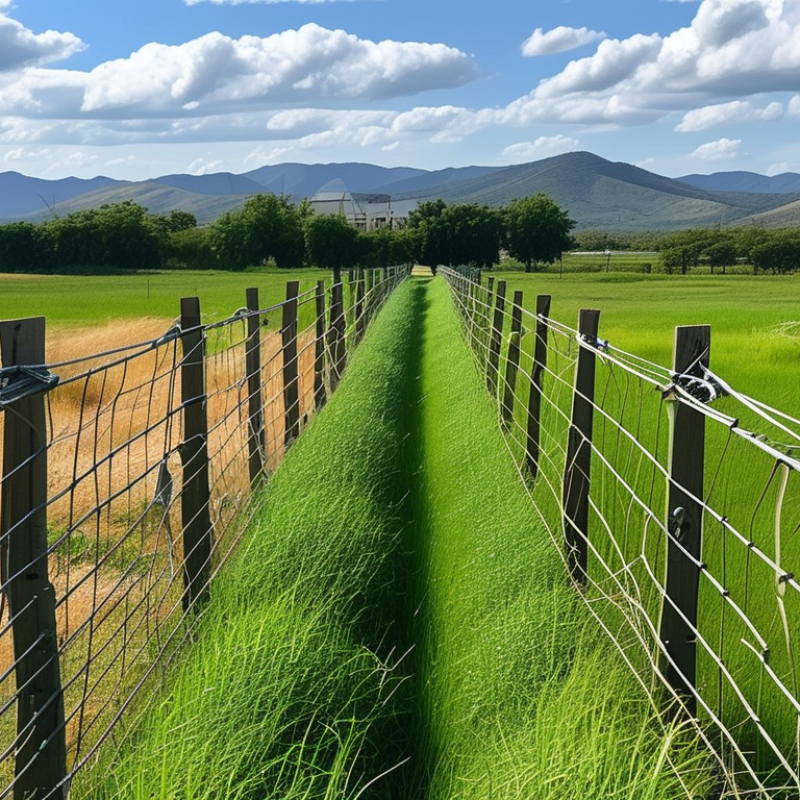
Woven wire meshes are known for their durability and flexibility. These properties make them suitable for construction, agriculture, and security solutions. For instance, in agricultural settings, woven wire fencing protects crops from wildlife while allowing air circulation. The intricate designs of woven wire create a robust structure that can withstand harsh conditions.
However, some may overlook woven wire's potential, favoring cheaper or less durable alternatives. This choice may lead to frequent repairs or replacements, increasing long-term costs. Reflecting on this, it's essential to recognize that investing in quality materials, like woven wire, can provide long-lasting benefits. The value of making informed decisions should not be underestimated.
Why Woven Wire is a Preferred Choice in Construction Projects
Woven wire is gaining popularity in construction projects due to its unique advantages. It offers exceptional strength and durability, making it ideal for structural frameworks and fencing. The uniform construction of woven wire allows it to withstand extreme weather conditions while maintaining its integrity. This consistency in performance makes it a trusted choice among builders and architects.
When selecting woven wire, consider the gauge and material. A lower gauge indicates a thicker wire, providing more strength but may increase costs. Think about the specific requirements of your project. For example, high tensile strength is essential for heavy-duty applications. Consulting with construction professionals can enhance your understanding of what will work best.
Be aware that not all woven wire products are created equal. Quality can vary significantly between manufacturers. Research and verify the specifications before making a purchase. This diligence can save time and resources in the long run. Also, check for certifications that indicate compliance with industry standards. Ensuring you choose reliable sources is crucial for your project's success.
Key Advantages of Woven Wire Over Traditional Fencing Materials
Woven wire has become a popular choice for various projects, offering significant advantages over traditional fencing materials. One key benefit is its durability. Woven wire is designed to withstand harsh weather and resist wear and tear. Unlike wooden fences, which can rot or warp, woven wire maintains its shape and function over time. This durability translates to long-term savings, reducing maintenance and replacement costs.
Flexibility is another advantage of woven wire. It can easily adapt to different terrains and environments, providing a secure barrier in areas with uneven ground. For landscaping projects, this adaptability allows for a streamlined look without compromising on safety or security. The open structure of woven wire also provides visibility, making it ideal for both aesthetic and functional uses.
Consider the intended purpose when choosing woven wire. It works well for livestock enclosures, gardens, and even decorative elements in landscaping. Reflect on the environment where it will be used to ensure optimal performance. Assess the wire gauge as thicker options may offer better security for animals or property, while lighter ones may suit decorative applications better.
Durability and Longevity: Statistics on Woven Wire Lifespan
When it comes to durability, woven wire stands out. According to industry reports, woven wire can last between 10 to 20 years, depending on its application and maintenance. This remarkable lifespan is primarily due to its robust construction and resistance to environmental factors. For instance, galvanized wire has been shown to resist corrosion effectively, making it ideal for outdoor use.
Moreover, a study published in the Journal of Material Science reveals that woven wire maintains its structural integrity even under heavy loads. In tests, over 80% of samples showed minimal deformation after prolonged stress. This characteristic makes woven wire an excellent choice for projects needing high strength and durability.
However, while woven wire is impressive, it’s not immune to challenges. External factors like extreme weather can affect its longevity. Regular inspections and timely maintenance are essential to ensure the wire remains effective. Addressing minor wear and tear promptly can significantly extend its usable life, proving that even durable materials require attention.
Durability and Longevity of Woven Wire
Cost-Effectiveness: Analyzing the Financial Benefits of Woven Wire
When considering materials for construction or manufacturing, woven wire stands out for its cost-effectiveness. The initial investment in woven wire may seem higher than some alternatives. However, its durability and longevity quickly turn it into a financially savvy choice. Over time, the reduced need for replacements and maintenance can significantly lower overall costs.
Woven wire's versatility also leads to financial benefits. It can be used in various applications, including fencing, filters, and industrial screens. This adaptability means companies do not need to purchase multiple materials for different projects. Furthermore, its efficient manufacturing process can lead to lower production costs, making it an appealing option for budget-conscious businesses.
Despite the clear advantages, some challenges exist. Sourcing high-quality woven wire requires effort, and not all suppliers may meet stringent standards. It’s crucial to evaluate suppliers carefully. Consider seeking reviews or testimonials to ensure reliability. Investing time in selecting the right material may seem daunting, but the long-term benefits are often worth it.
Applications of Woven Wire in Different Industries and Projects
Woven wire is becoming increasingly popular across multiple industries. Its flexibility and strength make it ideal for various applications. In agriculture, woven wire fencing is used to protect crops and livestock. It can adapt to uneven terrain and withstand harsh weather conditions. This practicality helps farmers secure their investments effectively.
Construction projects also benefit from woven wire. It is often utilized in concrete reinforcement. The woven structure enhances the durability of structures like bridges and buildings. This added strength can prevent cracking and prolong the lifespan of the projects. Many engineers appreciate the reliability woven wire offers.
However, there are challenges. Not all projects require woven wire, and sometimes alternative materials might be more suitable. The cost can also be a factor; woven wire may not always fit within budget constraints. Proper evaluation is crucial to ensure the right choice for each specific application. Flexibility in design and application remains essential in today’s project environments.
Why Choose Woven Wire for Your Next Project?
| Industry |
Application |
Advantages |
| Construction |
Reinforcement of concrete structures |
Increased strength and durability |
| Agriculture |
Fencing for livestock |
Long-lasting and resistant to weather conditions |
| Mining |
Screening and filtering materials |
Efficient material separation |
| Environmental |
Erosion control |
Natural drainage and vegetation support |
| Transportation |
Safety barriers and noise reduction |
Improved safety and aesthetic benefits |