Top Tips for Choosing Woven Steel Mesh for Global Buyers?
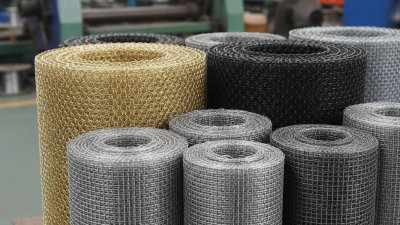
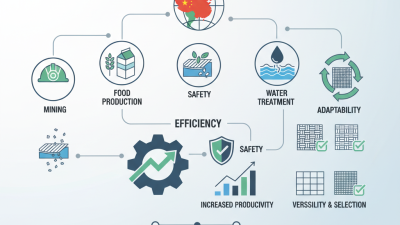
The global demand for woven steel mesh is on the rise, driven by its versatility and strength. According to a recent industry report, the global metal mesh market is projected to grow at a rate of 5.2% annually, reaching an estimated valuation of $5 billion by 2025. Woven steel mesh is widely used in various sectors, including construction, agriculture, and mining, highlighting its importance in diverse applications.
Choosing the right woven steel mesh can be challenging. Many factors influence this decision, including material specifications, mesh size, and intended use. For instance, agricultural applications may require specific corrosion-resistant properties to withstand harsh environments. Quality is paramount, as the durability of woven steel mesh directly affects its performance and longevity.
While numerous suppliers exist, not all provide consistent quality. Buyers must practice due diligence. Reviewing supplier certifications and previous client feedback is crucial. Be prepared to ask questions and seek clarity. This approach will aid in avoiding common pitfalls, ensuring that the woven steel mesh chosen meets industry standards and specific project needs effectively.

Key Properties of Woven Steel Mesh to Consider for Global Sourcing
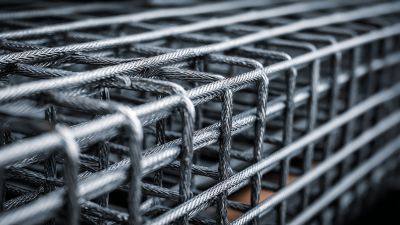
When sourcing woven steel mesh, understanding key properties is crucial. Start with the material's strength. High tensile strength ensures durability. It prevents deformation under pressure. Evaluate the mesh's wire diameter as well. Thicker wires often enhance strength but may increase weight. Striking a balance is essential.
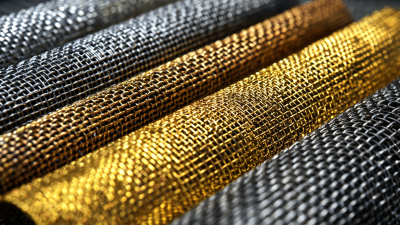
Next, consider the weave type. Plain weave provides uniformity and strength. Twill weave, however, offers flexibility. The choice depends on the specific application. Assess the mesh opening size as well. Smaller openings improve filtration but can restrict airflow. A clear understanding of requirements helps in making the right selection.
Lastly, corrosion resistance cannot be overlooked. Galvanized options can provide additional protection. However, check the environmental conditions where the steel mesh will be used. Some settings may require additional treatments like coatings. Reflect on these factors to ensure optimal performance and longevity.
Top Tips for Choosing Woven Steel Mesh for Global Buyers
| Property |
Importance |
Recommended Specifications |
Notes |
| Material Quality |
High |
304/316 Stainless Steel |
Resistant to corrosion and oxidation. |
| Wire Diameter |
Medium |
1mm to 5mm |
Choose based on application needs. |
| Mesh Opening Size |
High |
From 1mm to 25mm |
Impact on filtration and strength. |
| Weave Style |
Medium |
Plain, Twill, or Dutch Weave |
Affects flexibility and durability. |
| Finish |
Medium |
Electrolysis, Coated |
Enhances appearance and corrosion resistance. |
Industry Standards and Certifications for Woven Steel Mesh Products
When selecting woven steel mesh, understanding industry standards and certifications is crucial. These ensure product quality and safety. The International Organization for Standardization (ISO) offers guidelines that many manufacturers follow. ISO certifications demonstrate adherence to recognized quality management systems.
Different regions may have varying requirements. For instance, European standards (EN) may differ from those in North America. Familiarize yourself with local regulations. Compliance with these standards indicates that the product performs as expected. Buyers should ask for documentation to verify certifications.
Quality control is essential throughout the production process. Regular testing can reveal deficiencies that might affect functionality. It's necessary to reflect on how these factors impact your needs. The right certifications provide confidence, but always consider the specific application of the woven steel mesh. Visualizing how it will be used can guide your selection process.
Understanding Mesh Weave Patterns and Their Applications in Various Industries
Mesh weave patterns play a crucial role in various industries. Each pattern serves unique purposes, influencing the effectiveness of the woven steel mesh. For instance, a square weave offers consistent strength and is commonly used in filtration applications. Similarly, a twill weave delivers enhanced flexibility, making it ideal for construction and architectural design.
Understanding these patterns can help buyers make informed decisions. A diamond weave is notable for its ability to withstand higher loads, often used in safety barriers. Conversely, plain weave is often the go-to choice for general use due to its simplicity and ease of manufacturing. Buyers should consider the specific requirements of their industry when selecting a weave pattern.
There are also challenges in choosing the right mesh. Misjudging the application can lead to functional and structural issues. Additionally, quality variations exist among manufacturers. Reinforcing the need for careful evaluation, buyers must investigate the reliability and durability of the chosen mesh. This ensures that the selected woven steel mesh meets all operational demands.
Cost Factors and Pricing Trends in the Woven Steel Mesh Market
Cost factors significantly influence pricing trends in the woven steel mesh market. Buyers should consider various aspects when selecting mesh materials. For instance, the wire diameter, mesh size, and manufacturing processes affect costs. High-quality materials often lead to higher initial expenses but may ensure durability and lower maintenance in the long run.
To navigate this market, it’s beneficial to analyze current pricing trends. Global demand fluctuates based on construction, agriculture, and industrial applications. This variability can impact the cost of woven steel mesh significantly. Buyers should monitor these trends closely. Understanding supply chain dynamics is crucial. External factors like tariffs or material shortages may lead to price hikes.
When choosing woven steel mesh, evaluate the intended application. Determine whether strength, flexibility, or corrosion resistance is needed. Consult with experts if uncertain. This proactive approach can lead to informed decisions. Remember, cheaper options may not always be reliable or suitable for critical projects. Quality often outweighs the initial price tag.
Evaluating Supplier Reliability and Manufacturing Capabilities in the Industry
When choosing woven steel mesh, evaluating supplier reliability is crucial. Start by checking their experience in the industry. Look for suppliers with a proven track record of quality and longevity. A company that has been in business for many years may demonstrate stability and reliability.
Manufacturing capabilities are equally important. Understand the technology and equipment used by potential suppliers.
Advanced capabilities often indicate better quality control and innovation. Ask for samples and evaluate the mesh for consistency, strength, and precision. This hands-on approach allows you to assess the quality directly.
Confirm that suppliers comply with relevant industry standards. Certification can be a good indicator of their commitment to quality. Don't hesitate to ask for references from past clients. Engage in conversations about their experiences. Such discussions may reveal insights into the supplier's reliability and service quality. Remember, not all suppliers will meet your expectations, so take your time to choose wisely.