


Choosing a Ro Plant Water Chiller is rarely as simple as comparing cooling capacity and price. Reverse osmosis systems generate heat through high-pressure pumps, recirculation, and warm feedwater. That heat can affect membrane performance, permeate quality, and equipment life. A chiller that looks suitable on paper may struggle during summer operation or peak production.
This guide presents seven practical tips for making a more reliable choice. It considers heat-load calculations, water flow, inlet and outlet temperatures, ambient conditions, energy efficiency, materials, controls, and service support. Check the actual operating data. Do not rely only on a catalog rating. A plant processing 20 cubic meters per hour needs different protection from a small laboratory system.
Small details matter.
For example, stainless steel wetted parts may reduce corrosion concerns, while clear alarms can help operators respond before water quality changes. Ask suppliers for performance data at your expected temperatures, not ideal test conditions. Independent certifications and documented maintenance procedures also strengthen confidence in the purchase.
I have seen projects focus heavily on the initial price. Later, electricity use and difficult servicing became larger costs. That approach seems understandable, but it can be misleading. Cooling demand may change when feedwater temperature, production volume, or membrane recovery changes. Therefore, leave reasonable capacity margin without creating an oversized, inefficient system. The best Ro Plant Water Chiller should fit the process, remain stable under real conditions, and be supportable after installation. Verify every assumption before signing the order.
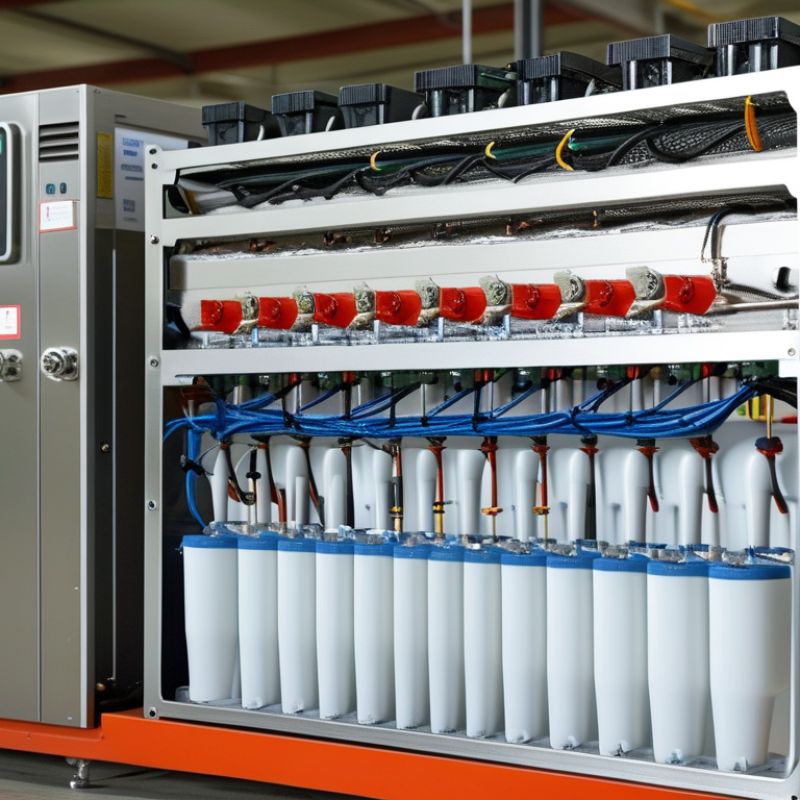
Before selecting an RO plant water chiller, measure the actual cooling load. Record feed-water flow, inlet temperature, desired outlet temperature, and daily operating hours. A plant processing 10 cubic meters per hour needs different capacity from a smaller unit. Do not rely on a rough estimate. It may create unstable temperatures during peak production.
Tip: Calculate heat removal with real operating data, not only rated capacity. Include summer ambient temperatures, pump heat, and possible fouling. A practical safety margin of 10% to 20% can protect performance, although excessive capacity may increase energy waste. The correct approach temperature also matters. A very low outlet temperature may demand a larger compressor and longer running time.
Tip: Check the water quality before confirming the chiller design. Suspended solids, scaling minerals, and chemical residues can reduce heat-transfer efficiency. Use suitable filtration and inspect the heat exchanger regularly. I have seen specifications look perfect on paper, yet the system struggled after several weeks. The missing detail was seasonal feed-water variation.
Ask an experienced technician to verify the calculation and control method. Confirm whether the chiller will operate continuously or only during production peaks. Choose temperature sensors with clear calibration records, and leave enough space for cleaning and service. Do not ignore noise, drainage, electrical supply, or future capacity changes. These practical details often decide whether the installation performs reliably.
7 Tips for Choosing an RO Plant Water Chiller
Tip 1: Match chiller capacity to actual water flow, not the RO membrane rating alone. Measure permeate flow during normal operation and during peak demand. A flow meter helps reveal short-term surges. In commissioning work, I have seen designs fail because they used the pump nameplate value. The number looked impressive, but it did not represent daily production.
Tip 2: Calculate the heat load before selecting the cooling unit. Use flow rate, water temperature, and the required temperature drop. The basic relationship is heat load = mass flow × specific heat × temperature difference. Include heat from pumps, nearby equipment, and warm pipelines. For continuous operation, add a practical safety margin of about 10 to 20 percent. More is not always better. An oversized chiller may cycle frequently and control temperature poorly.
Tip 3: Check inlet temperature across seasons. RO feedwater can enter warmer than expected during summer afternoons. Record temperatures at different times, not just once. Then compare the highest measured heat load with the chiller’s continuous capacity. Leave room for fouled heat exchangers and reduced airflow. This part is often overlooked. I would also review the estimate after several weeks of operation, because real plant conditions can challenge a clean design. Temperature sensors should be installed at the chiller inlet and outlet for reliable verification.
Choosing an RO plant water chiller starts with the water, not the cooling capacity. A recent laboratory report should show pH, hardness, alkalinity, chloride, sulfate, TDS, and temperature. These values affect heat exchangers, pumps, seals, and control sensors. High chloride can attack stainless steel. Hard water may leave scale inside narrow channels. Raw-water data can change seasonally, so one test may mislead.
Match every wetted chiller material with the actual water chemistry. Stainless steel is often practical, but its grade and weld quality still matter. Copper alloys may perform well in some circuits, yet can suffer in aggressive or acidic water. Check gasket and seal compatibility, especially when corrosion inhibitors or glycol are added. Ask for material certificates, operating limits, and cleaning recommendations. Do not rely on a generic “corrosion-resistant” claim.
During commissioning, measure inlet and outlet temperature, pressure drop, conductivity, and flow. A small pilot loop can reveal scaling before full installation. Keep inspection ports accessible. I have seen acceptable water chemistry become troublesome after poor pretreatment or stagnant shutdowns. That detail is easy to overlook. My early checks also focused too heavily on TDS, while chloride and flow conditions deserved more attention. Record trends monthly, then adjust filtration, softening, or cleaning intervals based on evidence. A conservative material choice may cost more initially, but an unplanned exchanger replacement costs more.
| No. | Selection Tip | Key Data to Check | Why It Matters | Recommended Practice |
|---|---|---|---|---|
| 1 | Test the Incoming Water | Feed-water temperature, pH, total dissolved solids (TDS), hardness, alkalinity, chloride, iron, and suspended solids. Baseline assessment | Water chemistry affects heat-transfer surfaces, corrosion risk, scaling tendency, pretreatment requirements, and the expected service life of the chiller. | Obtain a recent laboratory water analysis and compare the results with the chiller manufacturer’s allowable water-quality limits before selecting materials or capacity. |
| 2 | Match the Chiller to the RO Stage | Permeate, concentrate, raw feed water, or product-water service; typical RO permeate TDS is often below feed-water TDS, while concentrate has a higher salt concentration. Define service water | The same chiller may experience very different conductivity, chloride concentration, fouling potential, and corrosion conditions depending on its location in the RO process. | Specify the exact water stream, expected minimum and maximum TDS, chloride level, temperature, flow rate, and operating hours in the purchase requirements. |
| 3 | Check Material Compatibility | Wetted parts may include stainless steel, plastics, elastomers, copper alloys, titanium, or protective coatings. Confirm compatibility with pH, chloride, cleaning chemicals, and temperature. Corrosion control | Chlorides can promote localized corrosion in susceptible stainless steels, while acidic or alkaline cleaning solutions may damage unsuitable metals, seals, or coatings. | Request a wetted-material list and chemical-compatibility statement. Select corrosion-resistant materials for high-chloride or chemically aggressive water and verify gasket compatibility. |
| 4 | Size Cooling Capacity Correctly | Cooling duty depends on water flow, specific heat, and the required temperature drop. For water: Cooling load ≈ 4.186 × flow (L/s) × temperature drop (°C) kW Capacity calculation | An undersized chiller cannot maintain the target temperature during peak demand. Oversizing may increase capital cost, cycling, and control instability. | Use the maximum design flow and worst-case inlet temperature. Include a practical design margin, commonly around 10–15%, after confirming site conditions and control requirements. |
| 5 | Verify Temperature and Pressure Limits | Confirm inlet and outlet temperature range, design pressure, pressure drop, ambient temperature, and minimum flow required by the heat exchanger and refrigeration circuit. Operating envelope | Exceeding temperature or pressure limits can damage components, reduce cooling performance, cause nuisance alarms, or create unsafe operating conditions. | Compare the chiller datasheet with actual RO operating conditions, including pump shutoff pressure, seasonal ambient temperature, startup conditions, and possible flow fluctuations. |
| 6 | Control Scaling, Fouling, and Biofilm | Review hardness, alkalinity, silica, suspended solids, turbidity, residual disinfectant, and biological-control practices. A commonly used drinking-water turbidity target is below 1 NTU, subject to local requirements. Heat-transfer protection | Scale and fouling reduce heat-transfer efficiency, increase pressure drop, restrict flow passages, and can raise energy consumption and maintenance frequency. | Use appropriate pretreatment, filtration, antiscalant or softening where required, and a documented cleaning schedule. Install strainers or filters when permitted by the process design. |
| 7 | Plan Sanitation and Maintenance | Check drainability, access for inspection, clean-in-place requirements, service clearances, replacement parts, leak detection, temperature monitoring, and alarm functions. Lifecycle reliability | RO systems may operate continuously, so poor access or unsuitable internal geometry can make cleaning difficult and increase the risk of contamination, downtime, or performance loss. | Prefer hygienic, fully drainable flow paths where product water is involved. Define inspection intervals, water-quality checks, cleaning chemicals, calibration tasks, and spare-parts requirements before commissioning. |
Choosing an RO plant water chiller requires more than checking its cooling capacity. Match the chiller to actual feedwater temperature, flow rate, membrane load, and site conditions. Oversizing often increases cycling and electricity use. Undersizing can raise water temperature and reduce RO performance. Small details matter.
Compare energy efficiency at your real operating conditions, not only at laboratory ratings. Check the coefficient of performance, compressor type, heat exchanger design, and standby power. Variable-speed control may reduce energy use during lower demand. However, savings depend on correct commissioning. I once underestimated seasonal heat gain, so the original energy estimate was too optimistic. That mistake changed my selection process.
Review the control system carefully. Clear temperature settings, flow protection, fault alarms, and remote monitoring help operators respond before production suffers. Calculate operating costs from electricity, water consumption, filter replacement, cleaning, and planned maintenance. A cheaper purchase can become expensive after several years. Ask for test data, service intervals, spare-part access, and expected noise levels. Also check whether technicians can reach the condenser and sensors safely. Simple controls often prove more reliable, but advanced functions can improve visibility. The best choice balances efficiency, control quality, repair access, and predictable long-term costs.
7 Tips for Choosing an RO Plant Water Chiller
Evaluate the site before comparing cooling capacity. Measure feed-water temperature, flow rate, ambient temperature, and available floor space. Leave service clearance around filters, pumps, and electrical panels. A tight installation may save space but complicate repairs. Confirm voltage, drainage, ventilation, and lifting access. The U.S. Department of Energy reports that optimized pumping systems can reduce energy use by 20% to 50%, depending on operating conditions. Therefore, check pump and chiller compatibility together, not separately.
Choose a chiller with stable temperature control and suitable materials for treated water. Ask for tested performance at your actual inlet temperature, not only laboratory conditions. Review condenser cleaning intervals, refrigerant requirements, alarm functions, and spare-parts availability. Keep a written maintenance schedule. It sounds basic. It is often missed. The International Energy Agency’s The Future of Cooling report projects global cooling demand could triple by 2050, increasing pressure to improve equipment efficiency. Request measured power consumption at several loads, because peak ratings can hide inefficient partial-load operation.
Assess supplier support before signing. Require installation drawings, commissioning records, operator training, and response-time commitments. Check whether technicians understand RO pretreatment, scaling, fouling, and conductivity control. Ask for references from facilities with similar water chemistry and production hours. The Global Water Intelligence Desalination and Water Reuse reports consistently identify energy, reliability, and lifecycle service as major desalination concerns. One imperfect assumption remains common: selecting the lowest purchase price. A cheaper unit can create longer shutdowns, higher cleaning costs, and uncertain replacement timelines.
Evaluate installation needs, maintenance requirements, operating conditions, and supplier support before selecting a cooling system.
The chart shows typical planning intervals for key RO water chiller checks, expressed in months. Shorter intervals are generally appropriate for high-dust environments, poor water quality, heavy operating loads, or unstable power conditions. Confirm the final schedule with the equipment manual and the supplier. During selection, also verify available floor space, ventilation, electrical capacity, chilled-water flow, access for cleaning, spare-parts availability, response time, and commissioning support.