How to Choose the Right Fine Mesh for Your Needs?
Choosing the right fine mesh can be a daunting task. Experts like Dr. Lisa Harrow emphasize its importance: “The right mesh can significantly enhance efficiency.” A fine mesh is essential in various applications, from filtration to crafting. Its versatility is both an advantage and a challenge.
When selecting fine mesh, consider your specific needs. There are different materials and weaves, each with unique properties. Some may work well for filtration, while others are better for crafting. The fine mesh size also matters. Too fine can restrict flow; too coarse may lose effectiveness.
It's easy to feel overwhelmed. Many assume one size fits all, but that often leads to unsatisfactory results. Pay attention to details. Ensure the mesh aligns with your project's requirements. Ultimately, taking the time to choose wisely can improve outcomes significantly.
Introduction to Fine Mesh Types and Materials
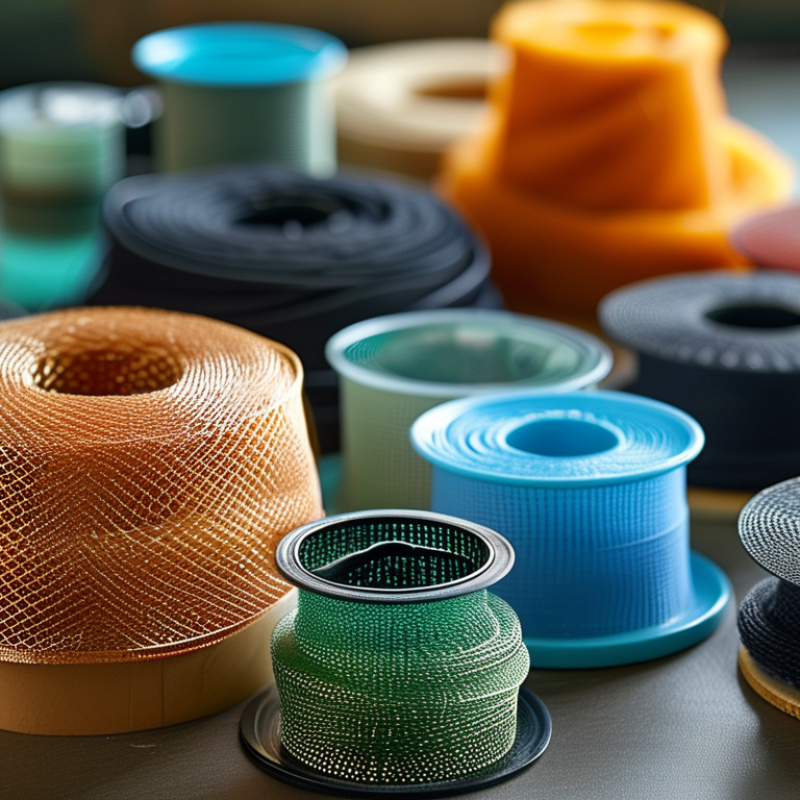
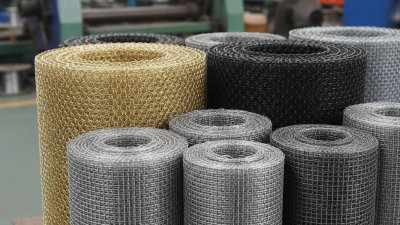
When it comes to fine mesh, understanding the types and materials is crucial. Fine mesh can be made from various materials, including stainless steel, nylon, and polyester. Each type serves different purposes and environments. Stainless steel mesh is durable and resistant to corrosion, ideal for food applications. Nylon mesh is lightweight and flexible, often used in arts and crafts. Polyester mesh offers good chemical resistance, suitable for industrial applications.
Choosing the right mesh requires careful consideration. Assess your specific needs before making a decision. Consider factors like environment, load capacity, and intended use. Understanding how the mesh will interact with different materials is vital. Sometimes, people overlook these details, leading to unsuitable selections.
Think about the mesh opening size as well. A finer mesh can filter smaller particles but may reduce airflow. A coarser mesh allows for more airflow but may not filter effectively. Testing and experimentation might be necessary. Document the results for future reference. Often, individuals find themselves needing to rethink their choices after initial use. Adjustments can lead to improved outcomes.
Key Factors to Consider When Selecting Fine Mesh
Choosing the right fine mesh can feel overwhelming. It's important to consider several key factors before making a decision. First, understand the mesh material. Common options include stainless steel, nylon, and polyester. Each has unique properties that affect strength and durability. According to industry reports, stainless steel meshes offer greater resistance to corrosion, making them ideal for harsh environments.
Next, evaluate mesh opening sizes. The size directly influences filtration efficiency and flow rates. For example, a mesh with a 20-micron opening is suitable for filtering liquids, while a larger mesh works for processing larger particulates. Reports suggest that using the correct mesh size can increase processing efficiency by up to 30%.
Don't overlook the mesh's frame and support structure. A well-supported mesh contributes to its longevity and usability. Some fine meshes are not designed for heavy loads, which can lead to premature failure. Additionally, consider the manufacturing standards. Opt for meshes that comply with international safety guidelines, as this can impact reliability in critical applications. Balancing these factors is key to selecting the right fine mesh.
Applications and Uses of Fine Mesh in Various Industries
Fine mesh technology plays a crucial role across diverse industries. In food processing, fine mesh screens are essential for sieving grains and separating contaminants. They help ensure product purity and maintain safety standards. In pharmaceuticals, fine mesh is used to create precise formulations. It aids in the accurate measurement of active ingredients, ensuring that dosage is both effective and safe.
Fine mesh also finds applications in environmental monitoring. It is used to filter air and water samples, capturing pollutants for analysis. This process is vital for assessing compliance with environmental regulations. In industrial applications, fine mesh is crucial for separation processes. It enhances product quality by enabling the removal of unwanted materials.
Choosing the right mesh requires careful consideration. Factors such as mesh size, material, and intended use play a significant role. Users may find themselves overwhelmed with options. Reflecting on specific needs can lead to better outcomes. Testing different mesh types can provide valuable insights. Adaptability is key, as each application demands unique specifications.
Comparative Analysis of Different Fine Mesh Specifications
When selecting a fine mesh, understanding different specifications is crucial. Fine mesh includes various materials, weave types, and microns. Each attribute affects its performance, durability, and suitability for specific tasks. For instance, polyester mesh offers flexibility and temperature resistance, making it ideal for filtration applications. Conversely, nylon mesh is strong but may degrade under UV exposure.
Micron ratings indicate the size of particles the mesh can filter. A lower micron count means finer filtration, but it can also reduce airflow. For example, a 10-micron mesh effectively captures small debris, while a 100-micron mesh allows larger particles through. Balancing filtration capability with airflow is essential in applications like water filtration or powder sieving.
It's essential to consider the environment too. Some meshes perform poorly in high temperatures or corrosive conditions. Users should reflect on their specific requirements and review how each type of mesh holds up in real-world applications. The right choice often comes down to trial and error, emphasizing the importance of experience in this selection process.
Maintenance and Care Tips for Fine Mesh Products
Maintaining fine mesh products is essential for their performance and longevity. Regular cleaning is a key factor in ensuring the mesh remains effective. According to industry studies, nearly 30% of users neglect proper maintenance, which leads to premature wear. Using mild soap and lukewarm water can remove dirt and debris without damaging the mesh structure.
Inspecting your fine mesh regularly helps identify any issues early. Research indicates that about 20% of mesh failures occur due to unnoticed damage. Pay attention to signs like fraying or tear. This allows for timely repairs or replacements, saving both time and money.
Storing your mesh products properly is equally important. A common mistake is folding the mesh, which can lead to distortions. Instead, roll the mesh or store it flat in a cool, dry place. These simple steps can enhance its overall lifespan. Remember, even the best quality mesh requires care and attention to perform at its best.