
2026 Best Stainless Steel Mesh Suppliers for Global Buyers?

Choosing reliable stainless steel mesh suppliers in 2026 requires more than comparing prices on a product page. Global buyers need consistent wire diameter, accurate aperture sizes, stable alloy grades, and dependable delivery records. A mesh roll may look flawless under warehouse lighting, yet small variations can affect filtration, screening, or airflow performance.

This guide evaluates suppliers through practical procurement factors. It considers manufacturing experience, material traceability, testing procedures, export capability, and customer support. Buyers should request mill certificates, sample pieces, dimensional reports, and clear packaging photographs before placing large orders. Details matter. A supplier’s response to technical questions can reveal more than a polished website. Factory audits, independent inspections, and verified customer feedback also strengthen purchasing decisions.

The 2026 market is changing quickly. Automation is improving production, while international shipping remains unpredictable in some regions. Strong suppliers should explain lead times, minimum order quantities, customization limits, and quality-control checkpoints without vague promises. They should also identify whether the mesh is woven, welded, crimped, or perforated, because each structure serves different applications. Not every listed specification is equally reliable. That is worth remembering.

This overview is designed for engineers, distributors, fabricators, and purchasing teams seeking dependable global partners. It does not replace technical validation. Instead, it provides a practical starting point for comparing suppliers fairly, reducing avoidable risks, and selecting stainless steel mesh that performs consistently in real working conditions.
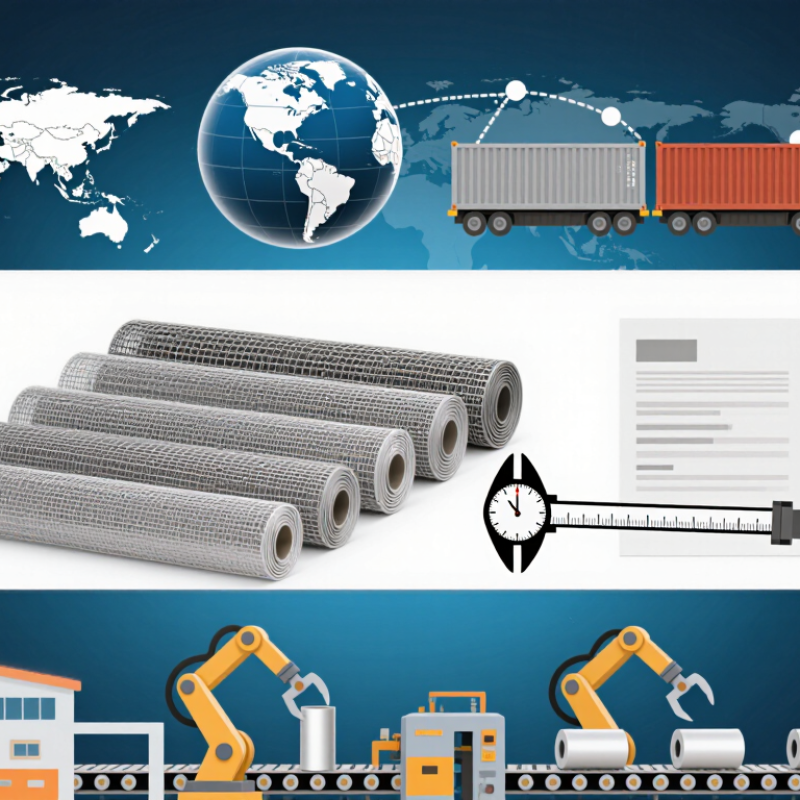
2026 Best Stainless Steel Mesh Suppliers for Global Buyers?

What Is Stainless Steel Mesh and How Is It Classified?

Stainless steel mesh is a network of corrosion-resistant wires, joined or arranged to create controlled openings.

The opening size, wire diameter, mesh count, and stainless grade define its performance. Common grades include 304 for general environments and 316 for chloride exposure. However, grade alone does not guarantee service life. Surface finish, welding quality, and installation also matter.

The main classification is based on manufacturing method.

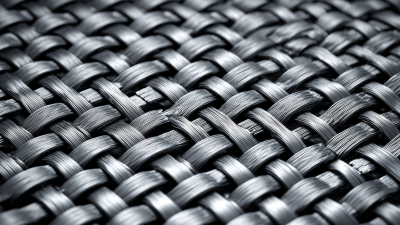
Woven mesh uses interlaced wires, including plain, twill, and Dutch weaves. It suits filtration, screening, and laboratory separation. Welded mesh joins wires at fixed intersections, creating rigid panels for guards, cages, and industrial supports.

Some suppliers also classify mesh by aperture shape, edge treatment, and filtration rating. ISO 9044 covers industrial woven wire cloth, while ASTM E2016 addresses wire cloth terminology and specifications.

According to the World Stainless Association, global stainless crude steel production reached about 58.4 million tonnes in 2023. This broad production base supports stable mesh supply, but it does not make every product equivalent.

Tips:

Check aperture tolerance, wire diameter, grade certificates, and test reports. Ask for a sample. A lower mesh count is not automatically better.

Field inspections often reveal uneven openings or weak welds, even when the quotation looks precise. Buyers should compare measured performance, not only catalog descriptions.

Tensile strength, corrosion exposure, temperature, and cleaning chemicals should shape the final classification.

How to Evaluate Stainless Steel Mesh Suppliers in 2026

How to Evaluate Stainless Steel Mesh Suppliers in 2026

A dependable supplier should provide more than attractive pricing. Ask for recent mill certificates, mesh-count records, wire-diameter data, and clear steel-grade information. Verify whether testing follows recognized standards, such as ASTM or EN requirements. Request a small sample before approving a large order. Measure the openings with a calibrated gauge, inspect the weave under bright light, and check for broken wires or uneven edges. These details reveal practical quality better than a polished website.

Supplier experience also matters. Review production capacity, quality-control procedures, export packaging, and delivery records. A reliable team should explain how it controls raw material batches and handles rejected rolls. Traceability is essential when several containers arrive months apart. Ask for photos of finished pallets, moisture protection, labels, and core strength. One overlooked detail can damage mesh during a long sea journey. No supplier is perfect, and vague answers deserve careful reflection.

Tips: Compare at least three suppliers using the same specification sheet. Record mesh count, wire diameter, tolerance, roll length, and inspection results. Check whether the quotation includes testing, packaging, and replacement terms. Video audits can help, but they cannot replace physical inspection. Consider communication speed, too. A supplier that answers technical questions clearly is often easier to manage when specifications change. Still, do not confuse fast replies with engineering competence. Request evidence, not promises.

2026 Best Stainless Steel Mesh Suppliers for Global Buyers? — How to Evaluate Stainless Steel Mesh Suppliers in 2026
Evaluation Dimension Recommended 2026 Benchmark Documents or Data to Request Warning Signs Suggested Weight
Material Traceability Stainless steel grade should be clearly stated, such as 304, 304L, 316, or 316L. Heat or batch traceability should be maintained from raw wire to finished mesh. Material test certificate, heat number, chemical composition, mechanical properties, and batch identification on packing labels. Grade is described only as “stainless steel”; certificates are unavailable or cannot be matched to the shipment. 15%
Applicable Standards Products should be manufactured and inspected against relevant specifications such as ASTM A580/A580M for stainless steel wire, ASTM E2016 for industrial woven wire cloth, or ISO 9044 for industrial wire screens. Standard references on quotations, inspection reports, product drawings, and certificates of conformity. A standard is listed without revision, test method, acceptance criteria, or connection to the actual mesh specification. 12%
Mesh Accuracy Aperture, mesh count, wire diameter, roll width, and length should be measured against the agreed drawing or purchase specification. Use tighter tolerances for filtration and laboratory applications. Calibration records, dimensional inspection report, sample measurement photos, and an approved technical drawing. The supplier confirms only the nominal mesh count and does not define aperture, wire diameter, or dimensional tolerances. 15%
Available Product Range Capability should cover the required weave type, including plain weave, twill weave, Dutch weave, welded mesh, and custom-cut pieces where applicable. Technical product range, sample specification sheet, maximum loom width, wire diameter range, and custom fabrication capability. Catalog specifications are broad, but the supplier cannot provide a sample or confirm the actual production range. 10%
Surface Finish and Cleanliness Mesh should be free from excessive oil, loose wires, burrs, rust contamination, and damaged edges. Cleaning or passivation should be available when required by the application. Surface-finish specification, cleaning method, passivation details, visual inspection criteria, and representative sample. No defined cleanliness standard; visible discoloration, sharp edges, broken wires, or inconsistent roll tension. 10%
Quality Management A documented quality system with controlled incoming inspection, in-process checks, final inspection, nonconformance handling, and corrective action is preferred. Quality manual, inspection plan, process flow, calibration records, corrective-action examples, and current management-system certificate where applicable. Quality depends entirely on final visual inspection, with no documented process controls or complaint-response procedure. 12%
Sampling and Pre-Shipment Inspection Pre-production samples should be approved before mass production. Final checks should include mesh count, aperture, wire diameter, roll dimensions, appearance, and quantity. Golden sample, inspection checklist, lot-sampling method, inspection photos, and third-party inspection acceptance procedure. Production begins without sample approval, or inspection results are supplied only after a quality dispute. 10%
Production Capacity and Lead Time Standard woven mesh commonly requires about 2–5 weeks after specification and payment approval; custom processing, welded assemblies, or special materials may require longer. Capacity statement, current production schedule, confirmed lead time, bottleneck process, and backup plan for urgent orders. The quoted lead time excludes tooling, sample approval, testing, or export preparation. 8%
Packaging and Export Readiness Rolls and cut panels should be protected against moisture, impact, deformation, and contamination. Packaging should match the transport mode and destination requirements. Packing specification, pallet or crate dimensions, moisture-protection method, product labels, packing list, and shipping photos. Mesh is packed without edge protection, moisture barriers, roll supports, or clear batch labels. 6%
Commercial Transparency Quotations should identify grade, weave, mesh count, aperture, wire diameter, width, length, quantity, tolerances, testing, packaging, Incoterms, and validity period. Itemized quotation, pro forma invoice, technical confirmation sheet, payment terms, and clearly stated Incoterms 2020. Price is provided without a full specification, or important costs such as tooling, testing, packing, and freight are hidden. 7%
Technical Support and Communication A qualified technical contact should respond clearly to questions about material selection, opening size, temperature, corrosion exposure, filtration performance, and installation. Response time record, engineering drawings, application recommendations, sample feedback, and documented change-control process. Sales responses are prompt but technical answers are vague, inconsistent, or unsupported by drawings and test data. 5%
Total Cost of Ownership Compare total landed cost rather than unit price alone, including material grade, yield, cutting, testing, packaging, freight, import charges, defect risk, and replacement cost. Landed-cost model, freight assumptions, defect and replacement policy, warranty terms, and historical quality-performance data. The lowest quoted price is achieved by using a lower grade, thinner wire, wider tolerances, or reduced inspection. 10%
Buyer scoring guidance: Score each dimension from 1 to 5, multiply by the suggested weight, and verify all critical technical claims with samples and objective documents. For food, pharmaceutical, chemical, or high-temperature applications, give additional weight to material traceability, cleanliness, testing, and application-specific compliance.

Which Global Suppliers Offer Reliable Mesh Quality and Compliance?

2026 Best Stainless Steel Mesh Suppliers for Global Buyers?

Reliable mesh quality begins with traceable production, not attractive product photos. Global suppliers should provide clear data on stainless steel grade, wire diameter, aperture size, weave pattern, and tolerance. Grades such as 304 and 316L suit different environments, especially where moisture or chemicals are present. Ask for mill certificates, inspection records, and batch numbers linked to shipping documents. A serious supplier should explain how each measurement is verified.

Compliance also requires context. Standards differ by destination, industry, and application. Request current certificates, independent laboratory reports, and declarations covering the target market. Quality systems such as ISO 9001 can support consistency, but certification alone proves little. Audit the facility when possible, or use a qualified third-party inspection service. Small details matter. Packaging should protect mesh edges from crushing, rust, and contamination during transport.

Tips: Compare samples from the same specification. Measure openings yourself with calibrated tools. Check whether test reports match the actual production lot. Confirm labeling, material traceability, and document language before ordering. Do not rely only on the lowest quotation; thin wire or unstable tension may create costly failures later. Some suppliers communicate well but provide weak evidence. That is a warning worth considering. Reliable sourcing is rarely perfect, and buyers should review their own inspection process after every shipment.

How to Compare Pricing, Lead Times, and Customization Options

Choosing a stainless steel mesh supplier for 2026 requires more than comparing the lowest price. Start with a like-for-like quotation. Confirm wire diameter, opening size, mesh count, material grade, roll width, and surface finish. A cheaper quote may exclude edge treatment, packaging, or inspection documents. That difference can damage your real budget.

Lead time should be measured from approved drawings, not from the first inquiry. Ask how long sampling, production, inspection, and shipping usually take. Reliable suppliers should explain capacity during busy periods and identify possible delays. Request recent inspection records, material certificates, and batch traceability. For custom mesh, review a physical sample when possible. Small changes in wire tolerance can affect filtration, strength, and installation. My experience is that rushed approvals create more cost than careful comparisons. I have also found that supplier estimates are not always precise, especially for unusual specifications.

Tips: Prepare one detailed comparison sheet. List every technical requirement, included service, delivery milestone, and extra charge. Ask whether prototypes are refundable or credited to the final order. Confirm customization limits, including nonstandard widths, welded edges, cut pieces, and protective packaging. Request drawings before production begins. Keep communication in writing. Short calls are useful, but written details prevent misunderstandings. A supplier may offer excellent craftsmanship yet lack flexible production scheduling. Another may promise speed but provide weak documentation. Weigh both. The strongest choice combines verified quality, transparent pricing, realistic lead times, and responsive technical support.

What Should Global Buyers Check Before Placing an Order?

Before placing an order, global buyers should verify the stainless steel mesh specification, not just the quoted price. Confirm the steel grade, mesh count, wire diameter, opening size, and weaving pattern in writing. Small differences can affect filtration, airflow, strength, and service life. Ask for a technical data sheet and a recent material test certificate.

Request a physical sample before approving mass production. Inspect the wire surface under bright light. Look for uneven openings, loose edges, rust marks, or inconsistent tension. A reliable supplier should explain its inspection process and provide dimensional tolerances. Independent testing may be worthwhile for critical applications. It adds cost, but one failed shipment costs more.

Check production capacity, minimum order quantity, lead time, packaging, and shipping terms. Wooden cases, moisture barriers, and protective wrapping can prevent damage during long transit. Clarify whether prices include export packing and documentation. Payment stages also deserve attention. Avoid unclear promises.

I would recheck every measurement.

Suppliers should answer technical questions directly. Vague replies are a warning sign. Still, even experienced buyers can miss packaging details or underestimate customs delays. Keep approved drawings, sample photos, certificates, and inspection records together. That simple file can prevent disputes when the final rolls look different from the sample.